Nobody warns you that the questions get harder after you believe.
The questions I had before were the ones everybody expects. Is any of this true. Did it happen. Can a person who assesses evidence for a living look at this material honestly and arrive anywhere except where he started. Those questions were difficult and they were answerable, and I have written a book about working through them.
The question I had in church last week was worse, and it was worse because there is no evidence that settles it.
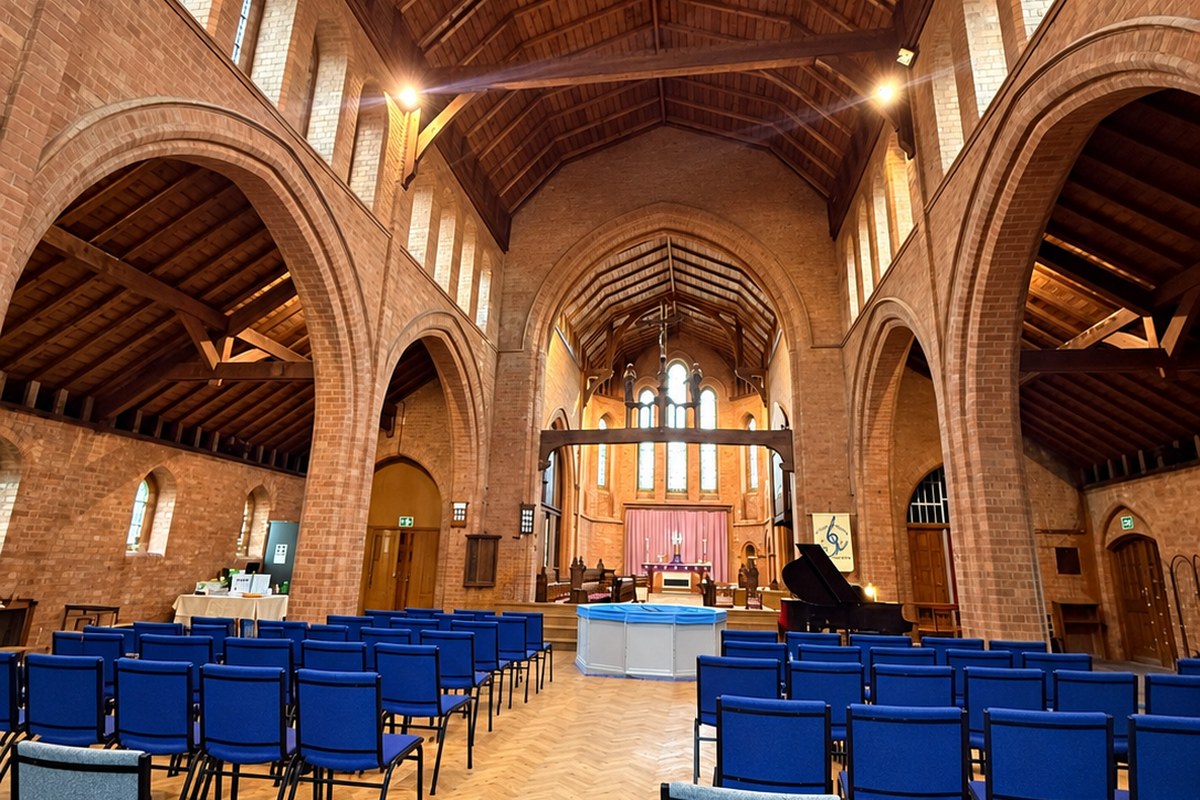
It came during the prayers. Our vicar takes requests from the congregation, and people say them out loud, and the room holds them. What I noticed was not any particular request. It was the repetition. The same needs coming back. The same situations still there, being lifted again by people who have been lifting them for a long time.
And the thought arrived fully formed. If God knows everything, the past and the present and the future, then the plan is already set. So what is any of this doing.
I want to be careful here, because this is not the objection people assume it is.
I do not blame God for human cruelty. I find it frustrating when other people do. War, systemic suffering, the harm we do each other, all of that is the result of human choice, and a God who reached in and forcibly stopped every bad decision would have ended free will in the act of protecting us from it. I held that position as an atheist and I hold it now. It has never been the difficulty.
The difficulty is smaller and more personal. It is that sometimes it is hard to feel that prayers are heard and answered. We have been praying for peace without stopping, and there is still war, still disease, still disaster, regularly and ongoing. Sit with that long enough and the question is not whether God is cruel. The question is whether the asking does anything at all.
So I did what I did the last time a question got its teeth into me. I went and looked.
The tradition has answers, and they are older and better than I expected. That prayer sits inside the plan rather than against it, because God sees the route and not only the destination, and He knew the prayer would be made. That the purpose of prayer is relationship rather than efficiency, and that if God wanted results He would not need us, so the fact that He asks anyway tells you what the exercise is for. That the intervention we look for in the sky often arrives instead through people, in the aid worker who goes, in the person who sits with the dying, in the changed heart of somebody who could stop a thing and does. That praying for peace in the middle of a war is not a request but a protest, a refusal to accept the way things are.
Some of that holds for me. The intervention arriving through people holds, because I have watched it happen in my own parish. Relationship rather than transaction holds. Free will I already had.
One of them will not sit still. If the prayer was always going to be made, and was always going to be woven into how the thing worked out, then the logic has been answered and the feeling has not. Something has been explained and nothing has been changed. I can follow the argument and I cannot yet rest in it.
Then I found the part that helped most, and it was not an argument.
It was that the tradition already knows about this. The Psalms are full of people crying out and recording that nothing came back. Not a footnote and not an embarrassment. In the text, in the middle of the worship, preserved. There is a psalm I have been reading all summer for other reasons, and its first line is the one Jesus used from the cross, and its second line is a man saying he cries out by day and receives no answer. That line has been in the book the whole time. Somebody put it there on purpose and nobody has taken it out.
I take two things from that.
The first is that this question is not a defect in my faith or evidence that I have got something wrong. It is a question the tradition has been carrying, out loud, for three thousand years, and it left room for the people who ask it.
The second is that I have not answered it. I am writing this down without a conclusion because I said at the start of all this that I would not tidy the difficulties out, and this is what that promise costs.
If you are further along than me and you have somewhere to put this, I would like to hear it. If you are where I am, I can tell you that you are not the first, that the book you are reading in church already contains your complaint, and that nobody is asking you to stop asking.
I have not stopped praying. Thanks and guidance especially. The thought sits underneath the practice and the practice carries on regardless, and for now that is the most honest thing I can report.